
laminated and tempered glass
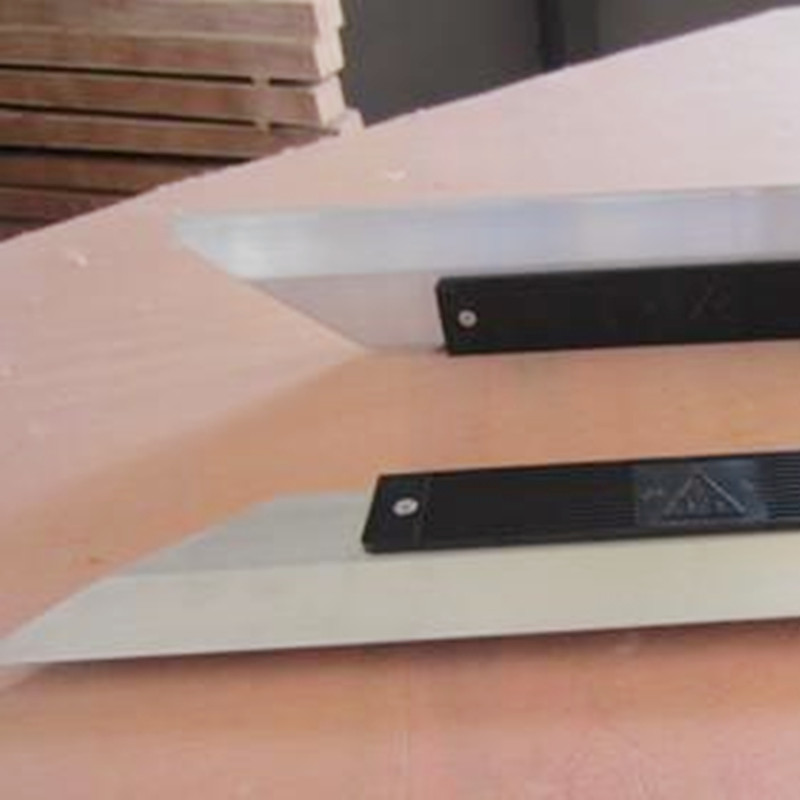
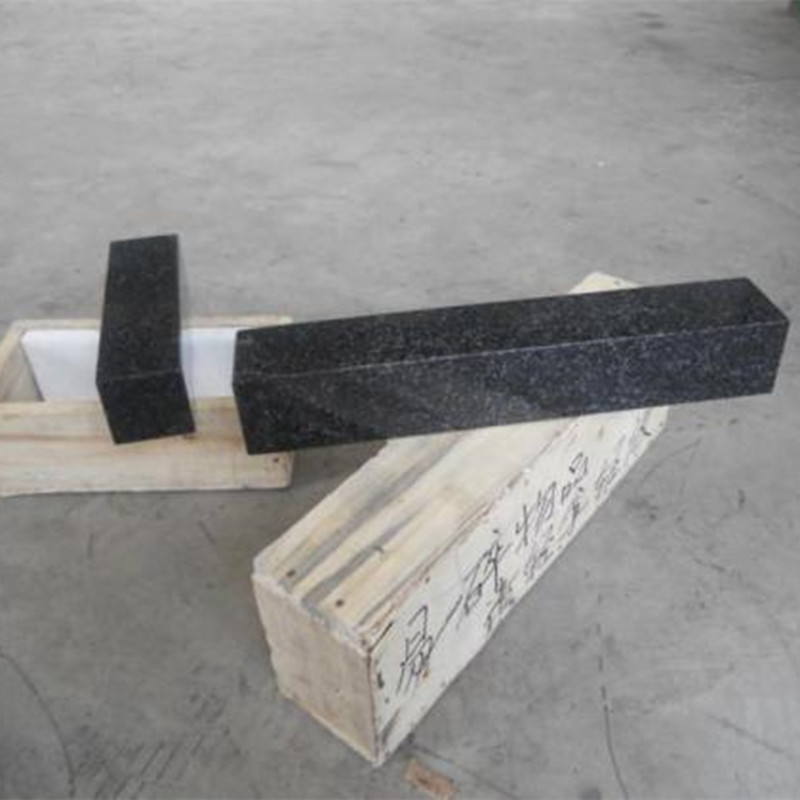
Understanding Spline Plug Gauges Ensuring Precision in Manufacturing In the world of precision manufacturing, maintaining stringent quality control standards is paramount. One of the essential tools in achieving this is the spline plug gauge. Designed specifically to measure the dimensions and integrity of spline profiles, these gauges are invaluable in industries that require high precision, such as automotive, aerospace, and machinery manufacturing. What is a Spline Plug Gauge? A spline plug gauge is a specialized measuring instrument used to check the dimensional accuracy of internal features of spline shafts and gears. Splines are ridges or teeth that are cut into a shaft to allow for a secure fit with a mating component. These components may include gears, couplings, and other mechanical devices that rely on precise interlocking for optimal performance. The spline plug gauge comes in two primary forms go and no-go gauges. The go gauge is used to check whether the feature is within the acceptable tolerance limits, while the no-go gauge ensures that the feature does not exceed its maximum allowable dimensions. This dual-system approach guarantees that parts meet the required specifications, preventing potential failures in the field due to improper fit. Importance in Quality Control Implementing spline plug gauges in the manufacturing process is crucial for several reasons. Firstly, they help manufacturers maintain compliance with industry standards and specifications. For example, in the automotive sector, ensuring that splines fit precisely can mean the difference between a vehicle performing optimally or experiencing premature wear and tear. spline plug gauge Secondly, spline plug gauges significantly reduce the risk of assembly issues. Components that do not fit correctly can lead to increased friction, wear, and even catastrophic failure in some cases. By utilizing spline plug gauges, manufacturers can catch these discrepancies early in the production process, thus saving time and resources. Precision Engineering The precision required in spline manufacturing is immense. Variations of even a few micrometers can result in significant performance issues. Spline plug gauges are manufactured to exacting standards to ensure they provide accurate readings every time. Advanced materials and manufacturing techniques, like CNC machining and EDM (Electrical Discharge Machining), are employed to produce gauges that meet tight tolerances and ensure longevity. Moreover, the design of the spline plug gauge itself is specialized. It features precise profiles that match the spline requirements, allowing for accurate assessment of both diameter and tooth profile. The design may also incorporate features to minimize wear on the gauge itself, ensuring that it remains accurate over numerous uses. Conclusion In summary, spline plug gauges are vital tools in the realm of precision manufacturing. They play a crucial role in ensuring the accuracy and quality of spline designs, which are fundamental components in many mechanical systems. By implementing these gauges, manufacturers can enhance product durability, ensure compliance with strict industry standards, and ultimately deliver superior products to their customers. As manufacturing processes continue to evolve in complexity, the importance of precise measurement tools like spline plug gauges cannot be overstated. With ongoing advancements in technology, future iterations of these gauges are likely to become even more sophisticated, further elevating the standards of precision engineering in various fields.
about
laminated and tempered glass
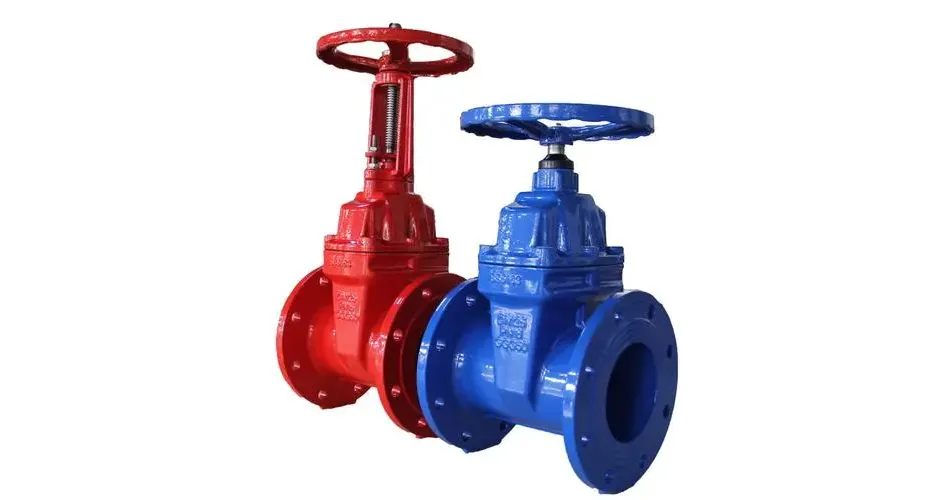
Understanding Non-Slam Check Valves Importance and Applications Non-slam check valves are critical components in various industrial systems, serving to prevent backflow while minimizing water hammer, a common issue in piping systems. Water hammer occurs when a fluid in motion is forced to stop or change direction abruptly, creating shock waves that can damage pipes, fittings, and equipment. Non-slam check valves are designed to address this challenge by employing a mechanism that allows for smoother operation, reducing the potential for these destructive pressure surges. Understanding Non-Slam Check Valves Importance and Applications The functioning of a non-slam check valve is often facilitated by a combination of buoyancy and a hydraulic force that keeps the valve open during normal flow conditions. As the flow decreases or changes direction, the valve gently closes in response to the dynamic conditions of the fluid. This operational modality contributes substantially to the longevity and performance of piping systems, making these valves an essential choice for industries that rely on the efficient management of fluids. non slam check valve Applications of non-slam check valves span a wide range of sectors, including water and wastewater treatment, oil and gas, power generation, and HVAC systems. In wastewater treatment plants, for example, preventing backflow is crucial to avoid contamination of clean water supplies. In oil and gas applications, these valves help maintain the integrity of pipelines by ensuring that fluids only flow in designated directions, thus protecting against spills and leaks. Moreover, the choice of material and design for non-slam check valves is crucial for specific applications. They can be constructed from various materials, including stainless steel, brass, or thermoplastics, depending on factors such as temperature, pressure, and the nature of the fluid being transported. The design must also accommodate installation requirements, with options for horizontal or vertical orientations, allowing for flexibility in system configurations. Furthermore, maintenance considerations are an important aspect of the use of non-slam check valves. While these valves are generally low-maintenance, ensuring that they are free from debris and functioning correctly is vital for their long-term performance. Regular inspections will help identify wear and tear and any potential operational issues, thereby extending the lifespan of the valve and the entire system. In conclusion, non-slam check valves are indispensable in modern fluid handling systems. Their ability to prevent backflow while minimizing pressure surges contributes to enhanced system reliability and efficiency. As industries continue to evolve, the role of these valves becomes more significant, underscoring the need for engineers and operators to understand their function and applications thoroughly. Investing in high-quality non-slam check valves can lead to significant long-term savings, reduced system downtime, and improved overall performance in various industrial environments.
-

High quality industrial productsagement

High quality industrial products
View Details -

Meet the diverse needs of customers

Meet the diverse needs of customers
View Details -

Strict quality control

Strict quality control
View Details -

Top raw materials

Top raw materials
View Details -

Trusted supplier

Trusted supplier
View Details
Our application


news and information
Various Types and Applications of Micrometers in Precision Measurement
Types of Micrometers Precision Tools for Measurement Micrometers are precision measurement instrumen
valve factory
Located at the very heart of industrial innovation, valve factories have become pivotal in shaping t
y type suction strainer
Understanding Y-Type Suction Strainers A Comprehensive Guide In various industrial applications, mai
 English